

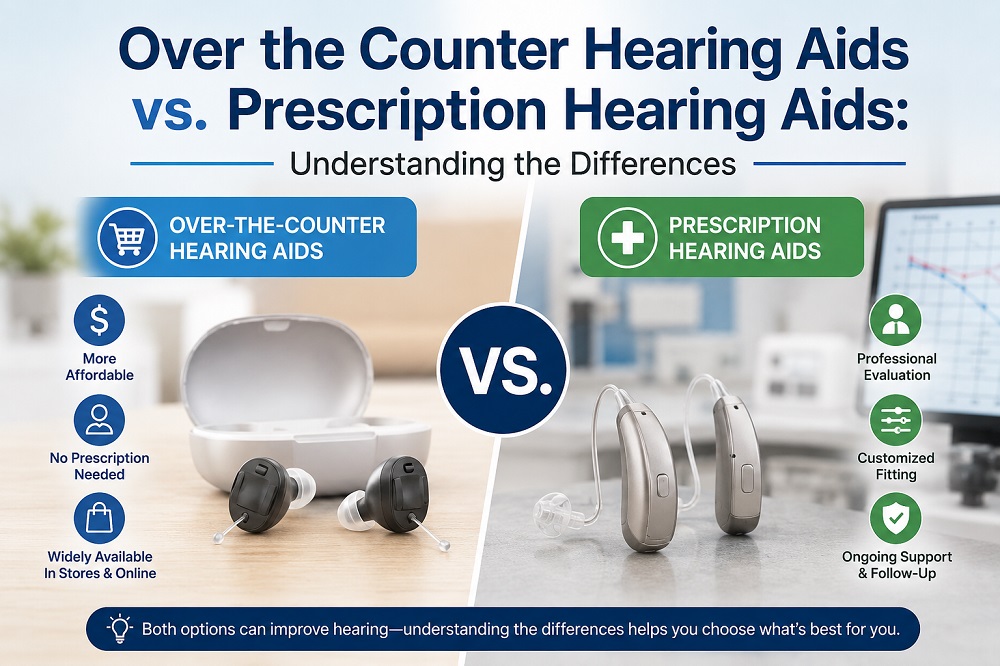
Hearing technology has become increasingly accessible in recent years, providing more options for individuals seeking support for hearing difficulties. One of the most significant developments has been the introduction of over the counter hearing aids, which have expanded access to hearing devices without requiring a traditional prescription process. As awareness of these products grows, many people find themselves comparing them with prescription hearing aids to determine which option is most appropriate for their needs.
While both categories are designed to help improve hearing, there are important differences between them. Understanding these distinctions can help individuals make informed decisions while ensuring that their chosen solution aligns with their hearing requirements, lifestyle preferences, and long-term goals.
For many people, hearing loss develops gradually. Conversations may become harder to follow, television volume may increase over time, and background noise can make communication more challenging. When these issues begin to affect daily life, finding an appropriate hearing solution often becomes a priority. The availability of multiple hearing aid options has made this process more flexible than ever before, but it has also created additional questions regarding which path to pursue.
One of the primary differences between over the counter hearing aids and prescription hearing aids involves how they are obtained. Over the counter devices are designed to be purchased directly by consumers without the need for a prescription or a formal hearing aid fitting process. This accessibility allows individuals to explore hearing support more independently and often more quickly than traditional routes.
Prescription hearing aids, by contrast, are typically obtained through hearing healthcare professionals following a comprehensive hearing evaluation. The process usually includes an assessment of hearing ability, discussions regarding lifestyle needs, and recommendations tailored to the individual’s specific hearing profile. This professional involvement is one of the defining characteristics of prescription hearing aid services.
Accessibility is often cited as one of the most significant advantages of over the counter hearing aids. Some individuals may hesitate to seek professional assistance due to cost concerns, scheduling challenges, or uncertainty regarding whether their hearing difficulties warrant professional intervention. The ability to purchase a device directly can lower barriers and encourage people to address hearing concerns sooner.
At the same time, greater accessibility does not necessarily mean that over the counter devices are appropriate for everyone. Hearing loss varies considerably from person to person, and the effectiveness of a hearing aid often depends on how well it matches the user’s specific needs. This is one reason why professional assessments continue to play an important role in hearing healthcare.
Another major difference involves personalisation. Prescription hearing aids are typically programmed and adjusted according to detailed hearing test results. These adjustments allow hearing professionals to tailor amplification and sound processing to the unique characteristics of an individual’s hearing loss. This customised approach can help optimise listening performance across a variety of environments.
Over the counter hearing aids generally offer user-controlled adjustments rather than professional customisation. Many models include settings that allow users to modify volume levels and listening modes independently. While this flexibility can be beneficial, it may not provide the same degree of precision available through professionally programmed devices.
The severity of hearing loss is another important factor when comparing these options. Over the counter hearing aids are generally intended for adults with perceived mild to moderate hearing difficulties. Individuals with more significant hearing loss may require features, amplification levels, or adjustments that are more commonly associated with prescription devices.
Because hearing loss can involve a variety of underlying causes and patterns, professional evaluation can help identify whether a person falls within the intended user group for over the counter products. In some cases, hearing difficulties may indicate medical conditions that warrant further investigation before a hearing aid is selected.
Technology features have become increasingly sophisticated across both categories. Modern hearing aids often incorporate advanced sound processing, noise management systems, wireless connectivity, rechargeable batteries, and smartphone integration. These innovations can significantly enhance the user experience by improving sound quality and convenience.
While many over the counter hearing aids include impressive technological capabilities, prescription hearing aids often provide access to a broader range of advanced features and professional fine-tuning options. The extent of these differences varies depending on the specific products being compared, but customisation and ongoing adjustment remain key distinctions.
Support and follow-up care also represent important differences. When purchasing prescription hearing aids, individuals typically receive ongoing assistance from hearing professionals. This support may include adjustments, performance evaluations, maintenance guidance, and troubleshooting services designed to help users achieve the best possible results.
With over the counter hearing aids, support is often more limited and may rely primarily on manufacturer resources, online materials, or customer service representatives. Some users are comfortable managing these aspects independently, while others may prefer the reassurance that comes from direct professional guidance.
Cost is another factor frequently discussed when comparing hearing aid options. Over the counter hearing aids are often perceived as a more affordable entry point into hearing technology. For individuals seeking a straightforward solution to mild hearing concerns, this affordability can be an important advantage.
However, cost comparisons should consider the broader package of services included with prescription hearing aids. Professional evaluations, personalised fittings, follow-up appointments, and ongoing support may contribute additional value beyond the device itself. Evaluating overall value rather than focusing solely on the purchase price can help create a more balanced perspective.
Ease of use is also worth considering. Many over the counter devices are designed with consumer convenience in mind, featuring simplified setup processes and intuitive controls. This accessibility can appeal to individuals who prefer a straightforward purchasing experience.
Prescription hearing aids may involve a more detailed fitting process, but this additional effort often supports greater personalisation and optimisation. The most suitable approach depends largely on individual preferences, expectations, and hearing needs.
Another important distinction involves confidence in device selection. Without a professional assessment, some individuals may find it challenging to determine whether a particular over the counter product is appropriate for their hearing profile. This uncertainty can occasionally lead to dissatisfaction if the chosen device does not deliver the expected benefits.
Professional consultations help reduce this uncertainty by providing expert recommendations based on objective hearing measurements. For some users, this guidance offers valuable reassurance during the decision-making process.
The growing availability of over the counter hearing aids reflects an important shift in hearing healthcare accessibility. These devices provide additional options for individuals seeking hearing support and may encourage more people to address hearing concerns before they significantly affect daily life. Their convenience and accessibility make them an appealing choice for many consumers.
At the same time, prescription hearing aids continue to offer advantages in terms of personalisation, professional guidance, and suitability for a broader range of hearing needs. The involvement of hearing healthcare professionals can provide benefits that extend beyond the device itself, supporting long-term hearing success and ongoing adjustments as needs change.
Ultimately, the choice between over the counter hearing aids and prescription hearing aids depends on individual circumstances. Factors such as hearing loss severity, lifestyle requirements, budget considerations, technology preferences, and desired levels of professional support all influence the decision. By understanding the differences between these options, individuals can approach the selection process with greater confidence and choose a solution that supports their hearing goals and overall quality of life.
