

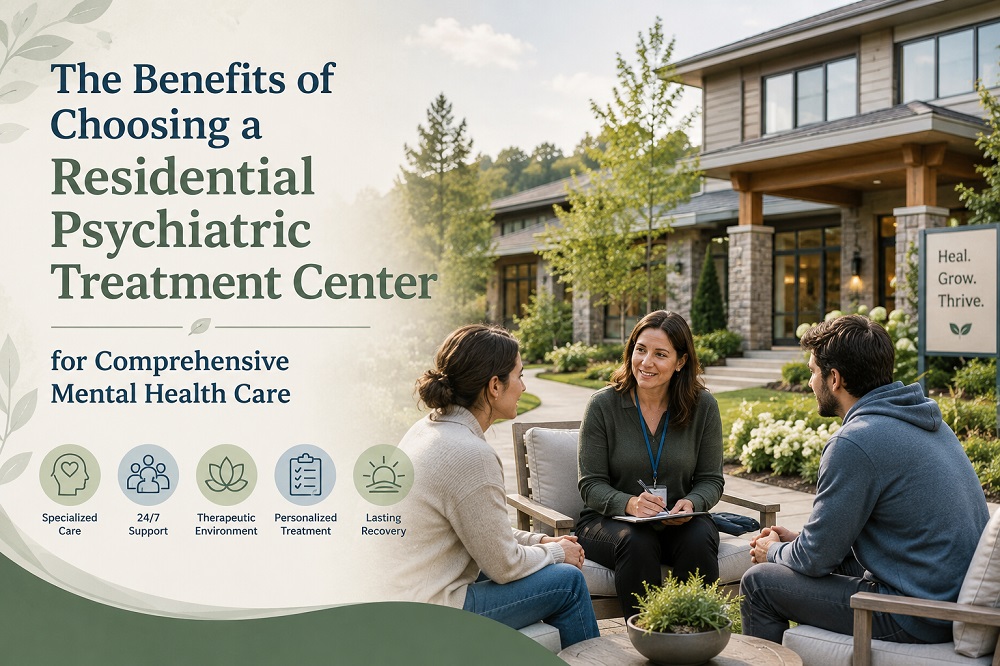
Mental health challenges can affect every aspect of a person’s life, including relationships, education, employment, physical wellbeing, and overall quality of life. While many individuals benefit from outpatient therapy, counselling, or community-based support services, there are situations where a more structured and intensive level of care may be appropriate. A residential psychiatric treatment center provides a supportive environment where individuals can focus on recovery while receiving comprehensive mental health care tailored to their unique needs.
Residential treatment differs from many other forms of care because it offers a highly structured setting designed to support healing and personal growth. Individuals live within the treatment environment while participating in a carefully planned programme that may include therapy, psychiatric support, educational services, skill development, and wellness-focused activities. This immersive approach allows people to step away from everyday stressors and concentrate fully on their mental health.
One of the most significant benefits of a residential psychiatric treatment center is the level of support available throughout the treatment process. Mental health recovery often involves addressing multiple factors simultaneously, including emotional challenges, behavioural patterns, interpersonal relationships, and underlying psychological concerns. Having access to a multidisciplinary team within a structured setting can help ensure that these areas are addressed in a coordinated and comprehensive manner.
Comprehensive care begins with understanding the individual. Every person’s experience with mental health is different, and effective treatment requires a thorough assessment of symptoms, personal history, strengths, challenges, and goals. Residential programmes typically invest considerable time in developing a detailed understanding of each individual so that care plans can be tailored appropriately.
This personalised approach is important because mental health conditions rarely affect two people in exactly the same way. Treatment that is effective for one person may not be suitable for another. Individualised planning helps ensure that interventions are relevant, meaningful, and aligned with the person’s specific needs.
The structured environment found within a residential psychiatric treatment center is another important advantage. Daily routines often include scheduled therapy sessions, educational activities, wellness practices, recreational opportunities, and time for reflection. This consistency can be particularly beneficial for individuals whose symptoms have disrupted their ability to maintain routines independently.
Structure provides stability during periods when life may otherwise feel overwhelming. Predictable schedules can reduce uncertainty, support emotional regulation, and create a sense of security that allows individuals to focus more fully on recovery. For many people, establishing healthy routines becomes an important foundation for long-term mental wellness.
Therapeutic support forms the core of most residential treatment programmes. Individual therapy allows participants to explore personal experiences, identify challenges, and develop strategies for managing symptoms. These one-on-one sessions provide opportunities for deeper self-understanding while supporting progress toward specific treatment goals.
Group therapy is often another valuable component of residential care. Participating in therapeutic groups allows individuals to connect with others facing similar challenges, share experiences, and learn from different perspectives. Group settings can help reduce feelings of isolation while fostering a sense of community and mutual support.
Many individuals entering treatment feel alone in their struggles. Discovering that others share similar experiences can be both reassuring and empowering. Peer support often becomes an important source of encouragement throughout the recovery journey.
Psychiatric care is another key aspect of comprehensive residential treatment. Mental health conditions can involve complex interactions between emotional, psychological, and biological factors. Access to psychiatric professionals allows individuals to receive appropriate evaluations, ongoing monitoring, and treatment recommendations as part of an integrated care plan.
This collaborative approach helps ensure that different aspects of treatment work together effectively. Communication between therapists, psychiatrists, and other professionals supports continuity of care while creating a more holistic treatment experience.
A residential psychiatric treatment center also provides an environment that minimises many of the distractions and stressors present in everyday life. Outside pressures such as work demands, academic responsibilities, relationship conflicts, financial concerns, or unhealthy environments can sometimes make recovery more challenging.
By temporarily stepping away from these influences, individuals can focus more fully on understanding their mental health and developing the skills needed to manage challenges effectively. This dedicated time for healing often allows for deeper therapeutic work than may be possible in less intensive settings.
Skill development represents another important benefit of residential care. Recovery involves more than reducing symptoms; it also includes building practical tools that support long-term wellbeing. Many programmes incorporate education and training designed to strengthen coping strategies, emotional regulation skills, communication abilities, and problem-solving techniques.
These skills help individuals navigate future challenges with greater confidence and resilience. Rather than simply addressing immediate concerns, residential treatment often focuses on equipping participants with resources they can continue using long after treatment concludes.
Family involvement can also play an important role in the recovery process. Mental health challenges often affect not only the individual but also family members and other important relationships. Many residential programmes recognise the value of family engagement and provide opportunities for education, communication, and collaborative support.
Improving understanding among family members can strengthen support systems and contribute to healthier relationships moving forward. Family participation may also help create a more supportive environment for ongoing recovery after discharge.
Another advantage of residential treatment is the opportunity to address co-occurring challenges. Mental health concerns do not always exist in isolation. Individuals may experience multiple conditions simultaneously, or they may face additional challenges related to stress management, substance use, trauma, self-esteem, or relationship difficulties.
Comprehensive treatment programmes are designed to recognise these complexities and address them within an integrated framework. This broader perspective helps ensure that treatment targets underlying issues rather than focusing solely on individual symptoms.
Physical wellbeing is frequently incorporated into residential care as well. Mental and physical health are closely connected, and many programmes include activities that support overall wellness. Healthy nutrition, physical activity, sleep education, and stress reduction techniques can all contribute positively to recovery outcomes.
By encouraging healthy lifestyle habits, residential treatment helps individuals develop routines that support both emotional and physical wellbeing. These practices often become valuable components of long-term wellness strategies.
Preparation for life after treatment is another essential element of comprehensive care. Successful recovery involves more than progress achieved during a residential stay; it also requires planning for continued growth and stability after returning to daily life. Many programmes devote significant attention to discharge planning and ongoing support strategies.
This preparation may include identifying community resources, establishing outpatient care plans, strengthening support networks, and developing personalised wellness strategies. Thoughtful planning helps individuals transition more smoothly while maintaining the progress achieved during treatment.
Choosing a residential psychiatric treatment center can provide significant benefits for individuals seeking comprehensive mental health care. The combination of structured support, personalised treatment, therapeutic interventions, psychiatric services, skill development, and wellness-focused care creates an environment where meaningful recovery can occur.
Mental health recovery is rarely a simple or linear process, but having access to intensive, coordinated support can make a substantial difference. Residential treatment offers individuals the opportunity to focus fully on healing while developing the knowledge, skills, and confidence needed for long-term wellbeing. For many people, this comprehensive approach provides a valuable foundation for creating positive and lasting change in their lives.
