

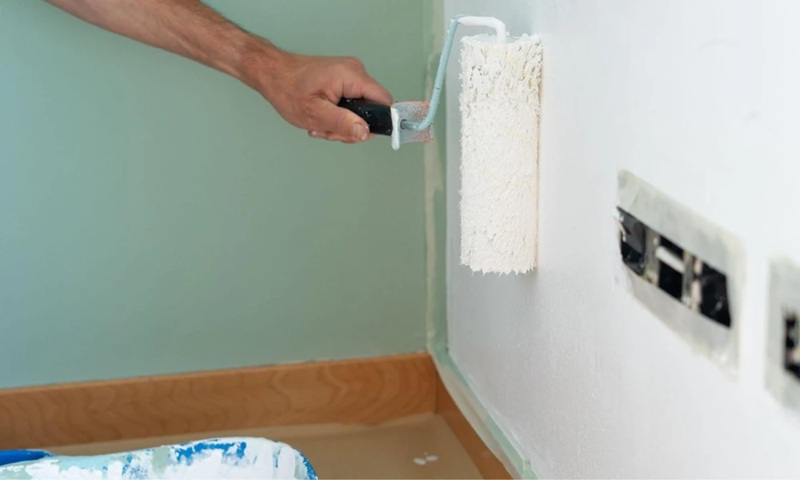
Freshly painted walls can lose their neat appearance when moisture remains hidden beneath the surface. Peeling paint, bubbles, stains and powdery patches are often treated as painting problems, although the source may be water entering through cracks, roofs, bathrooms or external walls.
Waterproofing deals with that source before another coat of colour is applied. This gives interior paint a sounder base and makes future maintenance easier. It also reduces the need to keep hiding the same marks under fresh layers of paint.
Stop Moisture before Repainting
Repainting a damp wall may cover marks for a short period, but it does not correct the reason they appeared.
The wall should first be checked for seepage, plumbing leaks, failed joints or cracks. Suitable waterproofing services can help identify the affected area and decide whether treatment is required from the interior, exterior, terrace or wet area. Once the source is addressed, the wall needs adequate drying time before surface preparation begins.
Protect the Bond Between Paint and Wall
Paint performs better when it is applied to a clean, dry and stable base. Persistent moisture can weaken the bond between the coating and the wall.
This may lead to:
- Flaking or peeling paint
- Blistered areas
- Uneven discolouration
- Damp marks returning after repainting
- A chalky or powdery surface
Waterproofing helps reduce the conditions that cause these defects. The damaged coating should still be removed, and loose plaster must be repaired before primer and paint are applied again.
Plan Colours after the Wall Is Stable
Colour selection should come after moisture treatment, not before it. Damp patches can distort how a shade looks and may interrupt a carefully planned interior scheme.
When choosing a room colour combination, view samples on walls that are dry and properly prepared. Check them in daylight and artificial light. This gives a clearer sense of the undertone and helps the colours work consistently across adjoining walls.
Use a Product Suited to Interior Dampness
The waterproofing product should match the location, surface condition and route of water entry. A general coating should not be selected without inspecting the cause.
Perma Damp Protect Interior may be considered for an affected interior wall where an acrylic waterproofing coating is appropriate. Its relevance lies in treating dampness, leakage and efflorescence before the decorative topcoat is applied. Product instructions and professional assessment should guide the complete system.
Prepare the Surface Carefully
Waterproofing does not remove the need for proper painting preparation. After treatment and drying, scrape away loose paint, clean the surface and repair damaged plaster.
Apply compatible putty and primer only where required. Rushing these stages may leave ridges, patchy absorption or visible repair marks under the final colour. Each layer should be allowed to dry according to the stated guidance.
Watch for Early Warning Signs
Regular checks can help catch moisture before it spreads across a painted wall. Pay attention to musty odours, cold patches, recurring stains, soft plaster and paint lifting near corners or skirting.
Do not repaint immediately when these signs appear. Find the source first and arrange suitable corrective work.
Final Thoughts
Waterproofing supports painted interior walls by addressing moisture before it damages the finish again. The process should begin with inspection, followed by suitable treatment, drying and careful surface preparation. Once the wall is stable, colours and finishes can be selected with greater confidence. A coordinated approach keeps repair work practical and helps the painted surface retain a cleaner, more even appearance.
