

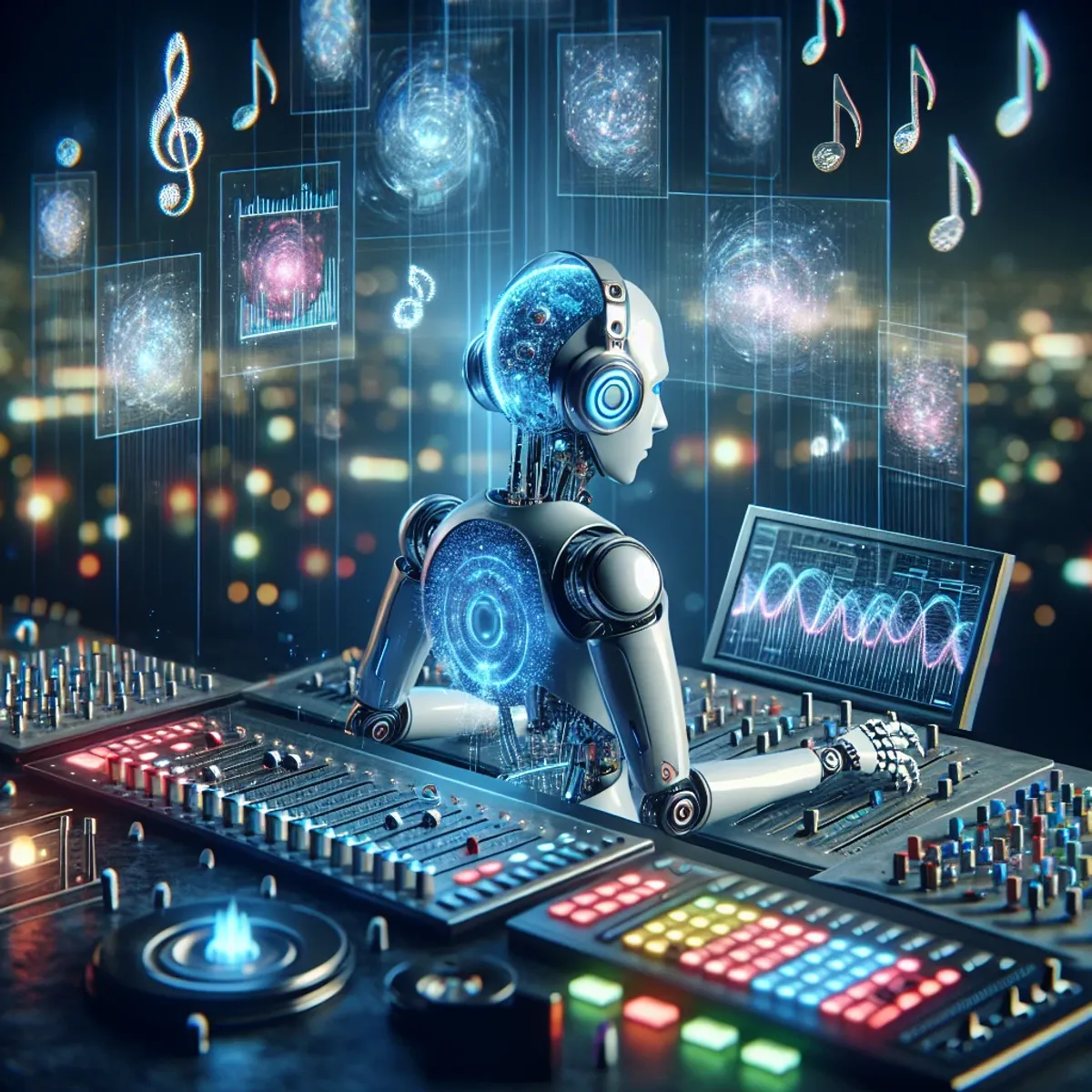
Modern technology now enables AI systems to generate original compositions that resonate with human emotions in ways previously thought impossible. An ai beat maker now offers capabilities beyond simple algorithmic compositions, utilizing advanced neural networks that can interpret and replicate emotional elements found in music. These technologies analyze thousands of existing compositions to understand the patterns and structures that evoke specific emotional responses in listeners.
How does AI understand musical emotion?
To create an emotional impact, music consists of various elements, such as melody, harmony, rhythm, and timbre. AI systems learn these relationships through extensive training on diverse musical datasets. By analyzing thousands of compositions across different genres and cultural contexts, AI systems identify patterns humans associate with specific emotions. AI can now recognize subtle emotional cues in music. These systems can now distinguish between similar emotions like melancholy versus contemplative sadness, or excitement versus joyful anticipation. This granular understanding allows for more nuanced emotional expression in AI-generated music.
- Tempo and rhythm – AI systems manipulate speed and rhythmic patterns to create specific moods, slower tempos for reflective or sad pieces, faster tempos for energetic or joyful ones
- Harmonic progression – The way chords change and resolve creates tension and release, directly affecting emotional response
- Melodic contour – Rising melodies often evoke optimism or anticipation, while descending patterns may suggest resolution or melancholy
- Dynamic range – Variations in volume and intensity build emotional peaks and valleys within compositions
- Instrumentation choice – AI can select specific instruments whose timbres are associated with particular emotional responses
- Sound textures – The layering and density of sounds contribute significantly to the emotional atmosphere
Creative process
The most effective AI music creation comes from collaborative processes where human creativity guides AI capabilities. Rather than replacing human musicians, AI tools function as creative partners. Users can specify parameters like mood, tempo, instrumentation, and structure, allowing the AI to generate options within these boundaries. This collaboration creates a feedback loop where human input refines AI output. Musicians can select generated elements they find emotionally resonant and reject those that miss the mark. Through this iterative process, the AI learns to match human emotional preferences better while offering novel, creative suggestions that might not have occurred to the human composer.
The relationship becomes symbiotic, AI handles technical aspects of composition and production while humans provide emotional direction and aesthetic judgment. This partnership often leads to music that contains both machine generation’s technical precision and human guidance’s emotional authenticity.
Practical uses
- Film and media scoring: AI can rapidly generate custom emotional soundtracks that precisely match visual cues and narrative arcs
- Therapeutic applications: Customized music created for specific emotional needs in mental health treatment and stress reduction
- Adaptive gaming soundtracks: Dynamic music that responds to player actions and game states with appropriate emotional shifts
- Meditation and wellness: Personalized ambient compositions that adapt to biometric feedback for optimal relaxation
- Brand soundscapes: Custom emotional audio environments for retail and commercial spaces
AI and human creativity become increasingly intertwined with the evolution of these systems. The most promising path forward isn’t AI music creation in isolation, but rather the thoughtful integration of artificial intelligence into human creative processes, enhancing our emotional expression rather than replacing it.
