

Key Takeaways
- Early exposure to multiple languages supports cognitive growth and cultural awareness
- An international preschool environment nurtures confidence and global perspectives
- Curriculum design plays a key role in effective language acquisition
- Schools provide immersive, inquiry-based learning tailored to young learners
Introduction
Language is more than words. It shapes how children see the world, how they connect with others, and even how they think. For many Singaporean families, choosing an international preschool is about more than academics. It’s about giving children a meaningful head start in a multicultural, multilingual society. And honestly, that decision can feel both exciting and a little daunting.
Why Language Exposure Matters Early On
Children absorb language in a way adults often struggle to replicate. It feels almost instinctive. In an international preschool, daily interactions naturally include different languages, accents, and expressions. Learning happens through play, songs, and conversation rather than rigid instruction.
There’s solid research behind this. Early exposure to multiple languages strengthens memory, improves problem-solving, and sharpens listening skills. But beyond the academic benefits, there’s something more subtle at play. Children begin to understand perspectives. They learn to listen closely and respond thoughtfully.
That’s why many parents explore international preschool options. The aim isn’t just to raise bilingual children. It’s about raising individuals who can connect across cultures with ease.
A Classroom That Reflects the Real World
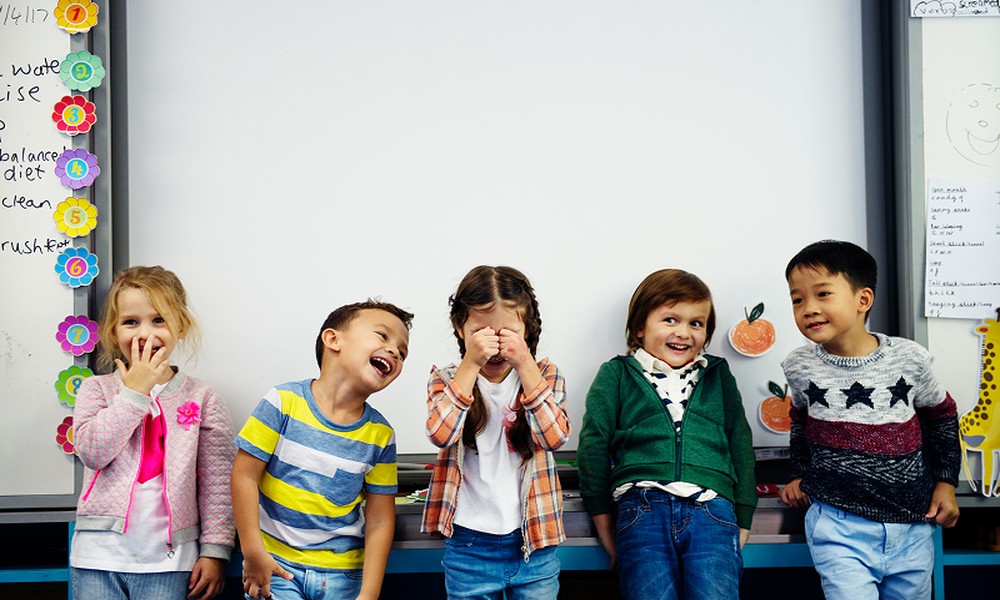
Walk into one of the top international schools in Singapore, and the diversity is immediately noticeable. Different languages flow through the room. Cultural celebrations are part of the calendar. Children engage with one another without hesitation, regardless of background.
This kind of environment doesn’t happen by chance. It’s built through a thoughtful approach to teaching. Programmes often centre on inquiry-based learning, where children ask questions, explore ideas, and communicate freely. Language becomes a natural tool for expression rather than a subject to memorise.
Here’s the interesting part. When children feel curious and supported, they take more risks with language. They try new words, experiment with phrases, and gradually build confidence. Mistakes are part of the journey, not something to fear.
For parents reviewing the top international schools, this kind of learning environment often stands out. It offers something deeper than academic preparation. It fosters real-world communication skills.
Learning Culture Alongside Language
Language doesn’t exist in isolation. It’s shaped by culture, traditions, and shared experiences. In an international preschool setting, children encounter this connection daily, often without even realising it.
A simple classroom activity can carry layers of meaning. Sharing food from different cultures, listening to stories from around the world, or celebrating festivals together. These moments introduce children to diversity in a way that feels natural and engaging.
Over time, these experiences build awareness. Children begin to understand that differences aren’t obstacles. They’re part of what makes the world interesting. And this mindset, formed early, tends to stay with them.
Many international preschool programmes intentionally weave cultural learning into everyday routines. It’s not treated as an add-on. It’s part of how children experience the world around them.
Choosing the Right Environment for Your Child
Selecting a preschool involves more than comparing facilities or locations. It often comes down to a simple question: Will this environment support a child’s curiosity and growth?
Parents frequently consider the top international schools in Singapore, weighing teaching styles, curriculum, and community. While each school has its strengths, those that prioritise exploration and cultural understanding tend to leave a lasting impression.
An effective international preschool balances structure with flexibility. It provides guidance while encouraging independence. Children learn by doing, interacting, and engaging with their surroundings.
Ultimately, the right environment is one where a child feels comfortable expressing themselves, trying new things, and building connections.
Conclusion
Early education shapes how children approach learning for years to come. A strong foundation in language and cultural awareness helps them communicate confidently and understand the world with greater depth. An international preschool offers more than early academics. It creates an environment where curiosity, empathy, and communication grow naturally.
Contact EtonHouse today to explore programmes designed to support your child’s early learning journey.
