

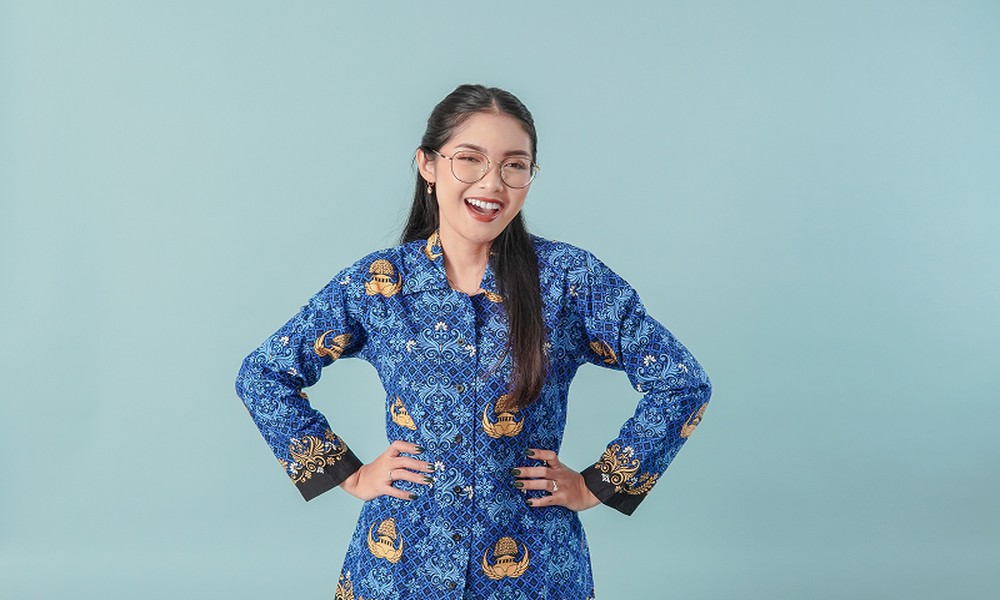
Key Takeaways
- This style distinguishes itself with delicate, hand-drawn floral and bird motifs, departing from traditional geometric patterns.
- Modern interpretations often combine these heritage prints with linen clothing in Singapore to combat the heat.
- The designs reflect a unique blend of Chinese, Malay, and European influences specific to the Peranakan community.
Introduction
Nyonya batik is known for its pastel colours and detailed floral patterns, which set it apart from traditional Javanese batik that typically uses darker, earthy tones. These design differences reflect distinct cultural influences and styles, capturing the spirit of the Peranakan people who blended cultures to create something entirely new. While the traditional sarong remains a classic, many residents now seek ways to integrate these patterns into their daily wardrobes. By pairing heritage prints with contemporary linen clothing in Singapore, you achieve a look that feels both timeless and perfectly suited for casual and formal events.
1. Differentiating Motifs and Colour Palettes
Traditional batik often features repetitive, symbolic shapes in deep browns and creams, but Nyonya batik breaks these rules with a lighter, more feminine touch. You will find cheerful depictions of peonies, phoenixes, and butterflies, often rendered in vibrant pinks, turquoises, and sunny yellows. These choices reflect the Chinese heritage of the Peranakan community, where specific flowers represent prosperity and marital bliss. Unlike the heavy, formal look of older textiles, these prints feel airy and celebratory, making them ideal for daytime events or casual gatherings. Many designers now translate these specific motifs onto high-quality linen clothing in Singapore to ensure the wearer stays cool while making a bold visual statement.
2. The Influence of Global Trade and European Design
The evolution of these textiles occurred because Singapore sat at the heart of global trade routes. You can actually see European influences in many Nyonya batik pieces, particularly in the floral borders that resemble lace or vintage Dutch porcelain patterns. This mixing of styles occurred because Peranakan women, or Nyonyas, were early adopters of global trends, blending them with local Malay techniques. This cross-cultural exchange created a visual language that you won’t find anywhere else in the world. When you choose a modern piece that incorporates these elements, you are celebrating centuries of cultural openness and artistic innovation.
3. Pairing Heritage Prints with Linen for Comfort
One common struggle for fashion-conscious residents is finding a way to wear traditional styles without overheating in the tropical sun. While original pieces often used dense cotton, the modern trend involves pairing Nyonya batik accessories or panels with linen clothing in Singapore. Linen offers a natural breathability that allows air to move freely, preventing that sticky, uncomfortable feeling during an outdoor lunch. A simple linen shift dress or a pair of tailored linen trousers provides the perfect neutral canvas for a vibrant batik scarf or blouse. This combination respects the heritage of the craft while acknowledging the practical demands of our local environment.
4. The Hand-Drawn Craftsmanship of Tulis Batik
If you look closely at a piece of authentic Nyonya batik, you will notice slight variations in the lines that indicate it was made by hand using a canting tool. This method, known as batik tulis, requires immense patience as the artist draws each wax line individually before dyeing the fabric. You are not just buying a mass-produced item; you are supporting a labour-intensive craft that takes weeks or even months to complete. This dedication to detail is why high-end linen clothing in Singapore often features these hand-drawn accents to add a touch of luxury and exclusivity. Knowing that an artisan spent hours perfecting the curve of a flower petal adds a layer of emotional value to your clothing.
5. Modern Interpretations for Everyday Wear
You no longer have to wait for a wedding or a formal lunar New Year celebration to bring out your heritage prints. Contemporary designers are reimagining Nyonya batik by shrinking the patterns or using monochromatic colour schemes that fit into a minimalist wardrobe. You might find a linen shirt with a subtle batik-print pocket or a summer dress that uses a classic border motif in a fresh, unexpected way. These subtle nods to tradition allow you to honour your culture in a way that feels natural and understated. When paired with the relaxed silhouette of linen clothing in Singapore, these pieces create a sophisticated look that works for the office or a weekend brunch. It ensures that the beauty of Peranakan art remains a living, breathing part of our city’s fashion identity.
Conclusion
Embracing the beauty of traditional textiles is a powerful way to stay connected to the stories that shaped our island. By choosing pieces that incorporate Nyonya batik, you contribute to the survival of a unique artistic language that has endured for generations. The versatility of modern linen clothing in Singapore ensures that individuals can enjoy these heritage motifs in a modern tropical lifestyle. This blend of the old and the new reflects the true spirit of Singapore, which is a place where history and progress move forward hand in hand. Take the time to explore these intricate designs and find the pieces that resonate with your own personal story. Your wardrobe is a canvas for your identity, and heritage prints add a depth of character that transcends temporary trends.
Contact Anmako Singapore to discover a unique collection of heritage-inspired fashion for your modern lifestyle.
