

Maintaining a comfortable home environment goes beyond simply adjusting your thermostat. Your heating and cooling system works year-round, often under demanding conditions, and without proper care, it can lose efficiency, increase energy bills, and even fail unexpectedly. The good news is that with a few smart strategies, you can keep your system running smoothly while extending its lifespan.
This guide outlines practical, expert-backed ways to improve performance, reduce costs, and ensure consistent indoor comfort.
Schedule Regular Professional Maintenance
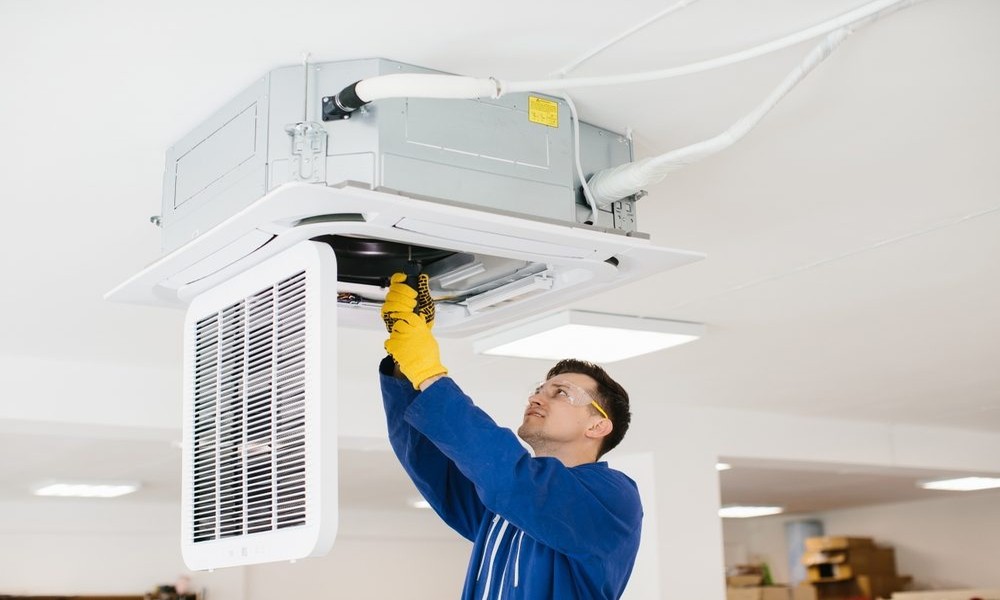
Routine servicing is the foundation of an efficient comfort system. A professional technician can identify early signs of wear, clean internal components, and ensure everything is operating at peak performance.
Investing in a structured HVAC maintenance plan not only prevents costly breakdowns but also improves energy efficiency over time. Seasonal check-ups-typically before summer and winter-help prepare your system for heavy usage, reducing strain and the risk of unexpected failures.
Replace or Clean Air Filters Consistently
Air filters play a crucial role in maintaining airflow and indoor air quality. When filters become clogged with dust, pollen, and debris, your system must work harder to push air through, leading to higher energy consumption.
Changing filters every one to three months keeps airflow steady and protects internal components. Homes with pets or high dust levels may require more frequent replacements.
Optimize Your Thermostat Settings
Smart thermostat management can significantly reduce energy waste. Setting your thermostat slightly higher in summer and lower in winter can lower utility costs without sacrificing comfort.
Programmable or smart thermostats take this a step further by adjusting temperatures automatically based on your schedule. Over time, this reduces system workload and improves efficiency.
Seal and Insulate Your Home Properly
Even the most advanced system struggles if your home is poorly insulated. Air leaks around windows, doors, and ducts allow conditioned air to escape, forcing your system to run longer.
Proper insulation and sealing help maintain consistent indoor temperatures, reducing the need for continuous operation. This not only saves energy but also enhances overall comfort.
Keep Vents and Registers Unobstructed
Blocked vents can disrupt airflow and create uneven temperatures throughout your home. Furniture, curtains, or debris covering vents force your system to compensate, increasing strain.
Ensure all vents are open and clear to allow balanced air distribution. This simple adjustment can improve system efficiency and comfort instantly.
Clean Around Outdoor Units
Your outdoor unit needs adequate airflow to function properly. Dirt, leaves, and debris can accumulate around the unit, restricting airflow and reducing efficiency.
Regularly clearing the surrounding area and gently cleaning the unit helps maintain optimal performance. Keeping at least two feet of clearance around the unit is recommended.
Upgrade to Energy-Efficient Equipment
If your system is more than 10-15 years old, it may be time to consider an upgrade. Modern systems are designed with advanced technology that improves energy efficiency and performance.
Energy-efficient models consume less power while delivering better results, making them a smart long-term investment. Many homeowners notice immediate savings on their energy bills after upgrading.
Use Ceiling Fans to Support Airflow
Ceiling fans are a simple yet effective way to reduce the workload on your HVAC system. They help circulate air more efficiently, making rooms feel cooler in summer and warmer in winter.
By improving air distribution, fans allow you to rely less on your system, which can lower energy usage and extend equipment life.
Monitor System Performance Regularly
Pay attention to unusual noises, inconsistent temperatures, or sudden increases in energy bills. These can be early warning signs of underlying issues.
Addressing problems early prevents minor concerns from turning into major repairs. Regular monitoring ensures your system continues to operate efficiently and reliably.
Maintain Proper Humidity Levels
Humidity plays a significant role in indoor comfort. Excess moisture can make your home feel warmer, while low humidity can cause discomfort during colder months.
Using humidifiers or dehumidifiers helps maintain balanced indoor conditions, reducing the strain on your heating and cooling system.
In Conclusion
Keeping your home comfort system efficient does not require complicated steps-just consistent attention and smart decisions. From regular maintenance and filter changes to proper insulation and airflow management, each action contributes to better performance and lower energy costs. By adopting these strategies, you not only improve comfort but also protect your investment for years to come.
