

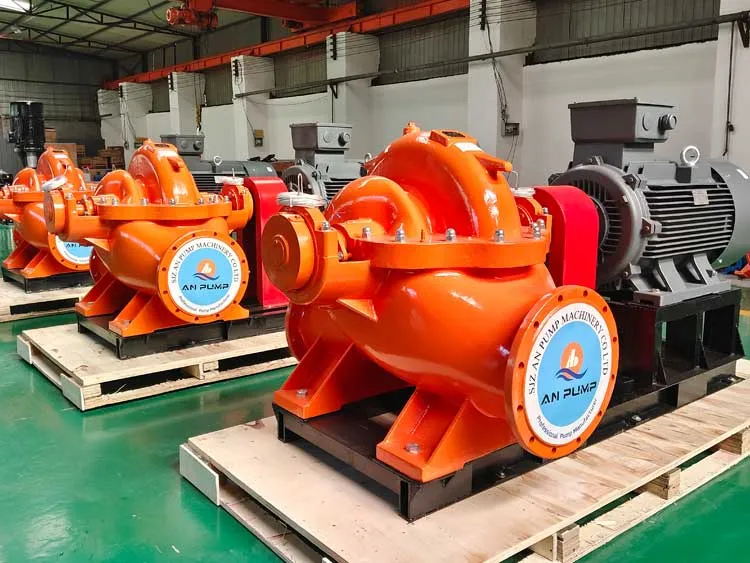
In every modern production facility, movement is everything. Raw materials must travel from storage to processing lines. Liquids must circulate between tanks, reactors, and packaging systems. Viscous products must be transferred carefully to preserve quality. At the center of all this motion are transport pumps, essential mechanical systems that keep industries running efficiently.
From food manufacturing to chemical processing, transport pumps play a critical role in ensuring safe, controlled, and reliable material flow. As industrial operations grow more advanced, the demand for efficient and specialized pumping solutions continues to rise. This comprehensive guide explores how transport pumps work, where they are used, their benefits, and how to select the right system for specific applications.
Understanding Transport Pumps and Their Function
Transport pumps are mechanical devices designed to move fluids or semi fluids from one location to another within an industrial system. These fluids may range from water and oils to chemicals, slurries, syrups, and even molten substances.
The fundamental purpose of transport pumps is simple. They create movement by generating pressure or displacement, enabling materials to travel through pipelines or processing systems. However, the design and operation of these pumps vary significantly depending on the material being transported and the industrial environment.
There are two primary operating principles:
- Dynamic pumps, which use rotating impellers to impart velocity and pressure to fluids
- Positive displacement pumps, which trap a fixed amount of fluid and force it through the system
Each design offers advantages depending on viscosity, flow rate requirements, pressure levels, and product sensitivity.
Key Industrial Applications of Transport Pumps
Transport pumps are found in nearly every industrial sector. Their versatility makes them indispensable in modern production systems.
Food and Beverage Manufacturing
In food processing facilities, transport pumps move ingredients such as milk, oils, syrups, sauces, and batters. Hygiene, temperature control, and product integrity are crucial. Specialized solutions like chocolate transfer pumps are widely used in confectionery production to move thick, temperature sensitive chocolate without disrupting its texture or quality.
Chocolate transfer pumps must handle high viscosity while maintaining smooth, continuous flow. They also need to prevent air incorporation, which can affect taste and structure. This highlights how application specific design plays a vital role in pump performance.
Chemical Processing
Chemical plants rely on transport pumps to move acids, solvents, and reactive fluids. These applications require corrosion resistant materials and leak free designs. Safety and containment are primary concerns, especially when handling hazardous substances.
Oil and Energy Sector
In oil refineries and energy facilities, transport pumps transfer crude oil, fuel, lubricants, and process fluids. These systems must operate reliably under high pressure and temperature conditions.
Water and Wastewater Management
Municipal and industrial wastewater treatment facilities use transport pumps to circulate water, sludge, and treatment chemicals. Durability and resistance to abrasive materials are essential in these environments.
Pharmaceutical and Cosmetic Production
In pharmaceutical manufacturing, transport pumps move delicate formulations that require strict contamination control. Smooth internal surfaces and clean in place compatibility are often necessary to meet regulatory standards.
Benefits of Using Transport Pumps in Modern Industry
The widespread adoption of transport pumps is not accidental. They provide measurable operational and financial advantages.
Improved Efficiency
Modern transport pumps are designed for optimal energy consumption. By matching pump capacity to system requirements, facilities can reduce energy costs and increase productivity.
Consistent Product Quality
Controlled flow ensures uniform processing. In industries such as food production, maintaining consistent flow rates helps preserve texture, taste, and overall product quality. For example, chocolate transfer pumps are engineered to maintain steady temperature and viscosity, ensuring smooth chocolate with no separation.
Reduced Manual Handling
Automated pumping systems eliminate the need for manual material movement. This improves workplace safety and reduces labor costs.
Enhanced Safety
Properly selected transport pumps minimize leakage and exposure to hazardous materials. Advanced sealing systems and monitoring technologies further enhance operational safety.
Scalability
As production demand increases, pump systems can often be upgraded or integrated into larger systems without complete redesign. This scalability supports business growth and expansion.
Types of Transport Pumps and Their Characteristics
Choosing the right pump begins with understanding the main categories and their performance features.
Centrifugal Pumps
Centrifugal pumps are among the most common types. They are ideal for low viscosity fluids and high flow rate applications. These pumps use rotating impellers to create velocity and pressure.
Advantages include simple design, lower initial cost, and ease of maintenance. However, they are less suitable for highly viscous materials.
Gear Pumps
Gear pumps are a type of positive displacement pump that use interlocking gears to move fluids. They are effective for handling viscous liquids and provide consistent flow rates.
Industries that process oils, syrups, and thick solutions frequently rely on gear based transport pumps.
Lobe Pumps
Lobe pumps are widely used in sanitary applications such as dairy and confectionery processing. They offer gentle handling of sensitive products and are often used in chocolate transfer pumps to preserve product structure.
Peristaltic Pumps
These pumps move fluids by compressing flexible tubing. They are ideal for abrasive or shear sensitive materials and are commonly used in chemical and wastewater treatment applications.
Diaphragm Pumps
Diaphragm pumps provide excellent leak prevention and are suitable for hazardous or corrosive fluids. Their design isolates the pumped fluid from mechanical components.
How to Select the Right Transport Pump
Selecting the appropriate transport pump requires careful evaluation of several factors. A mismatch between pump type and application can lead to inefficiency, product damage, or system failure.
Understand Fluid Properties
Viscosity, density, temperature, and chemical composition must be analyzed. High viscosity materials such as chocolate require specialized solutions like chocolate transfer pumps that can maintain smooth flow without overheating or clogging.
Determine Flow Rate Requirements
Accurate calculation of required flow rate ensures the pump can meet production demand without excessive energy consumption.
Consider Pressure Needs
Some processes require high pressure to move fluids over long distances or through complex systems. The selected transport pump must handle these pressures safely.
Evaluate Material Compatibility
Pump components must be compatible with the fluid being transported. Corrosion resistance is especially important in chemical applications.
Assess Hygiene and Regulatory Requirements
Food, beverage, and pharmaceutical industries demand sanitary design and easy cleaning capabilities. Smooth surfaces and clean in place functionality are often necessary.
Maintenance and Lifecycle Costs
Beyond initial purchase price, consider long term maintenance, energy consumption, and downtime costs. Efficient transport pumps reduce total cost of ownership over time.
Technological Advancements in Transport Pumps
Industrial pumping technology has evolved significantly in recent years. Modern transport pumps now incorporate smart features that enhance performance and monitoring.
Digital sensors can track pressure, temperature, and flow rate in real time. Predictive maintenance systems use data analytics to identify potential issues before failure occurs. This reduces downtime and increases reliability.
Energy efficient motors and variable speed drives allow pumps to adjust output based on demand. This not only lowers operating costs but also extends equipment lifespan.
In specialized sectors such as confectionery manufacturing, chocolate transfer pumps are designed with advanced temperature control systems to prevent crystallization or separation during transfer.
Sustainability and Environmental Considerations
Sustainability is becoming a central focus in industrial operations. Transport pumps contribute to environmental performance in several ways.
Energy efficient designs reduce carbon emissions. Leak prevention systems minimize environmental contamination. Precision control ensures minimal product waste during transfer.
Additionally, improved system integration allows facilities to optimize water and energy usage, aligning with global sustainability goals.
Common Challenges and Solutions
While transport pumps offer numerous benefits, certain challenges may arise.
Clogging can occur when handling viscous or particulate laden materials. Proper pump selection and regular maintenance help prevent this issue.
Cavitation, caused by vapor formation in low pressure zones, can damage pump components. Ensuring correct installation and pressure balance reduces risk.
Temperature control is critical when transferring heat sensitive materials. Chocolate transfer pumps, for example, are often equipped with heating jackets to maintain consistent product temperature throughout the process.
Conclusion
Transport pumps are far more than simple mechanical devices. They are essential systems that enable continuous production, maintain product integrity, and support industrial growth. From water treatment plants to food processing facilities, their applications are vast and diverse.
Understanding the different types of transport pumps, their benefits, and the factors that influence selection is critical for achieving efficient and reliable operations. Whether moving chemicals, oils, or delicate food products, choosing the right pump ensures safety, performance, and long term value.
As industries continue to innovate and prioritize efficiency and sustainability, transport pumps will remain at the heart of modern manufacturing systems. By investing in the right technology and applying careful selection criteria, businesses can optimize operations and stay competitive in an evolving industrial landscape.
