

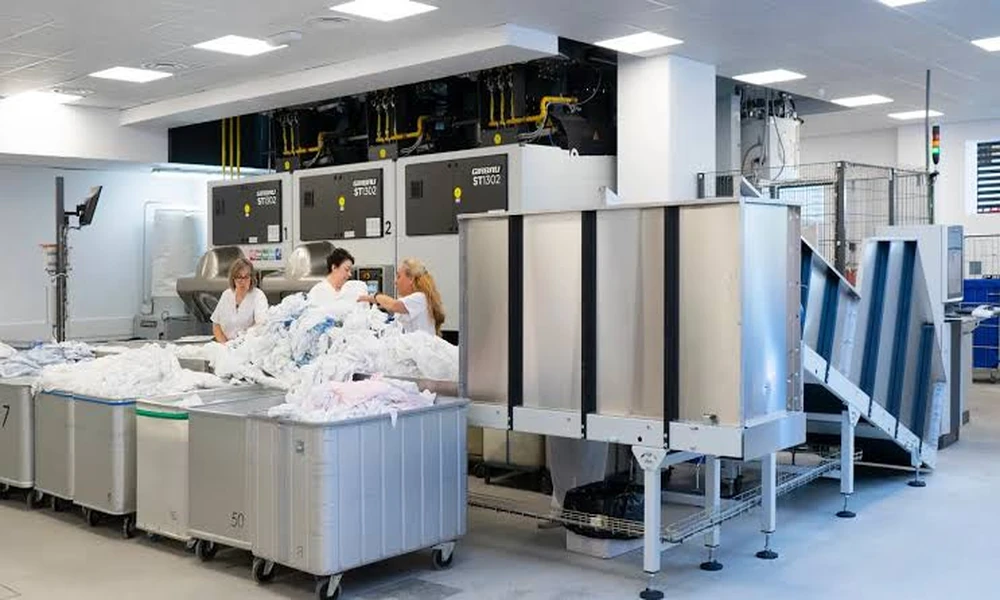
In the hospitality industry, the quality of a guest’s stay is often reflected in details that may seem small but make a lasting impression. Crisp bed sheets, fluffy bath towels, and fresh pillowcases contribute to a comfortable and inviting hotel room. Behind this experience lies a complex operational process that requires careful planning, consistent quality control, and efficient resource management. Hotels that improve their linen and towel laundry procedures can reduce unnecessary expenses, support housekeeping teams, and maintain high standards of guest satisfaction.
Optimizing Linen Handling from Collection to Storage
Hotel laundry operations begin long before textiles enter a washing machine. Housekeeping departments collect used sheets, pillowcases, bath towels, hand towels, and other fabric items from guest rooms, restaurants, fitness areas, and spa facilities. Managing these different textile categories requires a structured approach to prevent delays and maintain appropriate hygiene standards.
Establishing designated collection points helps staff transport used linens efficiently. Separating heavily soiled items from lightly used textiles also allows laundry teams to select suitable cleaning methods for different loads. Fabrics exposed to food stains, cosmetic products, or other residues may need pretreatment before washing to improve cleaning results.
Laundry sorting should account for fabric type, color, and care requirements. Excessive machine loading can prevent water and detergent from circulating properly, while unsuitable wash settings may damage delicate materials. Hotels can improve consistency by following fabric care instructions and establishing clear procedures for loading, washing, drying, and folding.
Clean linen storage deserves equal attention. Once textiles are completely dry, they should be folded neatly and placed in designated storage areas protected from moisture, dust, and contamination. Organizing shelves according to linen size and intended use allows housekeeping employees to retrieve supplies quickly when preparing rooms for arriving guests.
A well-coordinated hotel laundry service can help establishments manage these stages more effectively, especially when occupancy levels fluctuate or internal facilities struggle to handle large volumes. Professional processing may also reduce the workload associated with equipment maintenance, staff scheduling, and daily laundry supervision.
Using Planning and Technology to Reduce Operational Pressure
Hotel laundry demand changes according to room occupancy, guest turnover, seasonal travel patterns, and special events. A property hosting a conference or wedding may experience a sudden increase in towel and linen consumption. Without accurate planning, these fluctuations can lead to shortages, delayed room preparation, or excessive emergency washing.
Tracking daily linen usage provides useful information for forecasting requirements. Housekeeping managers can compare occupancy figures with the number of sheets and towels collected to estimate upcoming laundry volumes. Maintaining sufficient backup inventory gives staff additional flexibility when equipment requires maintenance or a delivery is delayed.
Digital inventory records can further simplify textile management. Hotels may use spreadsheets or dedicated property management systems to monitor stock levels, record damaged items, and identify repeated losses. These records help managers determine when replacement purchases are necessary and whether particular departments consume more linens than expected.
Scheduling is another important factor. Coordinating housekeeping shifts with laundry processing times helps ensure that clean supplies are available when rooms need to be prepared. Hotels using external laundry providers should establish clear collection schedules, delivery deadlines, and communication procedures for unexpected demand.
Protecting Textile Quality While Controlling Costs
Frequent washing is unavoidable in hotels, but inefficient laundry practices can shorten the lifespan of expensive linens. Excessive heat, unsuitable detergents, and aggressive washing cycles may weaken fibers, reduce towel absorbency, or cause sheets to lose their smooth appearance. Selecting durable textiles and following appropriate care instructions can reduce premature replacement.
Water and energy consumption also influence operating expenses. Properly sized loads, efficient equipment, regular maintenance, and appropriate drying settings can help hotels use resources more responsibly. Staff training is equally valuable because consistent handling practices reduce avoidable damage and improve overall workflow.
Regular quality inspections should be part of the process. Towels with thinning fibers, sheets with persistent stains, and damaged pillowcases should be identified before they return to guest rooms. Removing worn items promptly helps maintain the hotel’s presentation standards.
Ultimately, efficient linen management depends on coordination between housekeeping, laundry personnel, and hotel administration. By improving collection procedures, forecasting demand, monitoring inventory, and selecting appropriate laundry arrangements, hotels can streamline daily operations without compromising guest comfort. A dependable hotel laundry service, supported by effective internal planning, helps maintain fresh textiles, control operating costs, and deliver the polished experience guests expect from professional hospitality establishments.
