

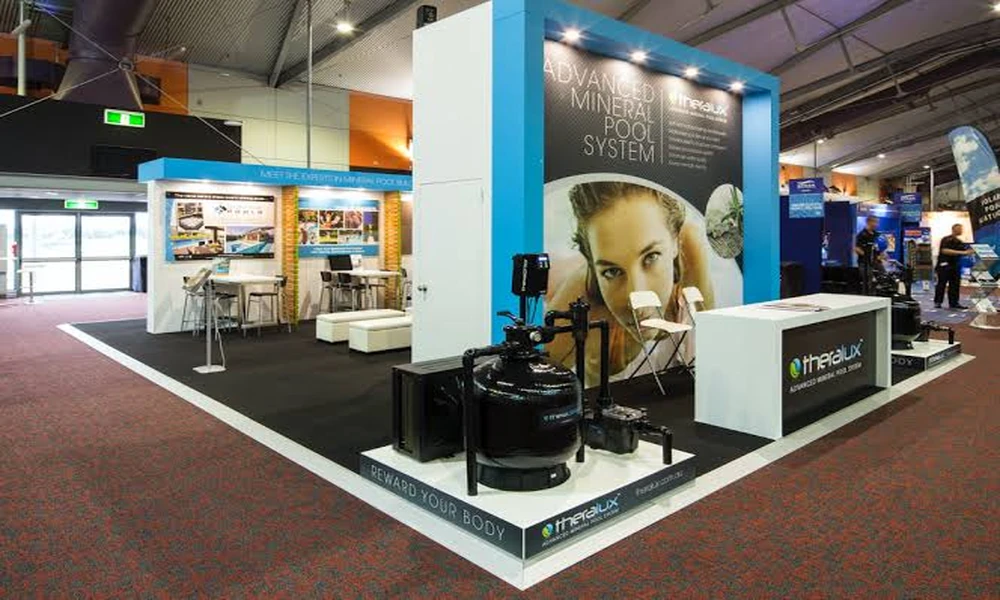
Brands preparing for a show or a launch usually concentrate on what the contractor must deliver and overlook their own share of the work. Yet most late changes, extra charges and opening-day gaps trace back to information the client supplied late or not at all. Smooth exhibition & event set up depends on the brand having its objectives, content, approvals and people ready at the right moments, and the points below set out what to prepare and when.
Objectives the Whole Team Agrees On
Before any supplier is briefed, the brand should agree internally what the event is for: leads, sales on the day, product trial, press coverage or relationships with existing customers. Different aims lead to different layouts and staffing. Disagreement between departments that surfaces after design has begun is a frequent source of rework. Writing the objective, the target audience and a measure of success on a single page gives everyone a common reference.
A Brief With Real Information
Contractors design better and price more accurately when given facts: floor plan and stand number, dimensions, the organiser’s rules, products with sizes and weights, power needs of equipment, brand guidelines and a budget range. Vague briefs produce attractive concepts that later prove unaffordable or unbuildable. Include a list of what must be on the stand and what would merely be welcome, so that the designer knows where there is room to simplify. One person on the brand’s side should be the single point of contact for all questions.
Budget Lines That Are Often Missed
Beyond space rental and stand construction, a brand should plan for organiser services, electricity, internet, rigging, transport, insurance, staff travel and meals, uniforms, printed literature, giveaways, catering for guests and photography. Overtime during build-up and storage afterwards are also commonly forgotten. Listing these early, with an owner for each, prevents the familiar situation in which the stand is paid for but nothing remains for the activities on it.
Content and Interactive Elements
Decide what visitors will do, not only what they will see. Demonstrations, trials, short talks, games and digital content all need scripts, equipment, consumables and rehearsal. Material of this kind takes longer to produce than graphics and should be commissioned first. Where the event is intended to be memorable in its own right, working with specialists in themed experience design helps to plan the sequence of a visit so that each element has a purpose.
Artwork and Approval Deadlines
Print and fabrication schedules are fixed by the opening date. The brand needs to know the last day on which artwork can be supplied and the last day on which changes can be made without surcharge, and should allow time for its own legal, regulatory or head-office review within those limits. Supplying logos, images and text in the correct formats at the first request avoids rounds of correction that consume the contingency.
Products, Samples and Logistics
Display products and samples have their own journey to the venue. Confirm delivery windows with the organiser’s freight handler or the contractor, label every carton with the hall and stand number, and decide where empty packaging will be kept. Food, drink and regulated goods may need permits or special handling. A named person should check the delivery on arrival, since missing items discovered on opening morning are hard to replace.
People on the Stand
Select staff for knowledge and manner, and plan a rota that allows breaks. Everyone should know the objective, the key messages, how to record an enquiry and who answers technical questions. A briefing in the finished space on the evening before, or early on the first day, is far more useful than a meeting at the office. Agree on dress, on phone use and on not eating at the front of the stand.
Publicity Before the Doors Open
Visitors plan their time in advance. Inviting customers and prospects personally, with the stand location and a reason to visit, fills the diary before the show begins. Organisers often offer listings, previews and sponsored features to exhibitors, with their own submission dates. Social media posts, appointments booked ahead and a small incentive to attend all raise the return on the space, and none of them depends on the stand itself. Assign this work to a named person, or it will be overlooked.
On-Site Checks and Handover
Arrive before the hall opens to inspect the completed set up with the contractor. Check graphics for errors, test every light, screen and socket, confirm that storage is lockable and that the stand is clean. Note any defects and agree when they will be put right. Make sure staff know the emergency exits, the organiser’s service desk and the contractor’s contact number for problems during the event.
After the Event and Before the Next
Preparation continues once the doors close. Enquiries should be distributed and followed up within days, while the conversation is fresh. Hold a short review of what worked, what was missing and what the costs actually were, and file it with photographs for the next brief. Decide which components to store. Brands with shops can extend the life of displays by adapting them through a commercial retail fit-out team, so that event investment continues to earn.
