

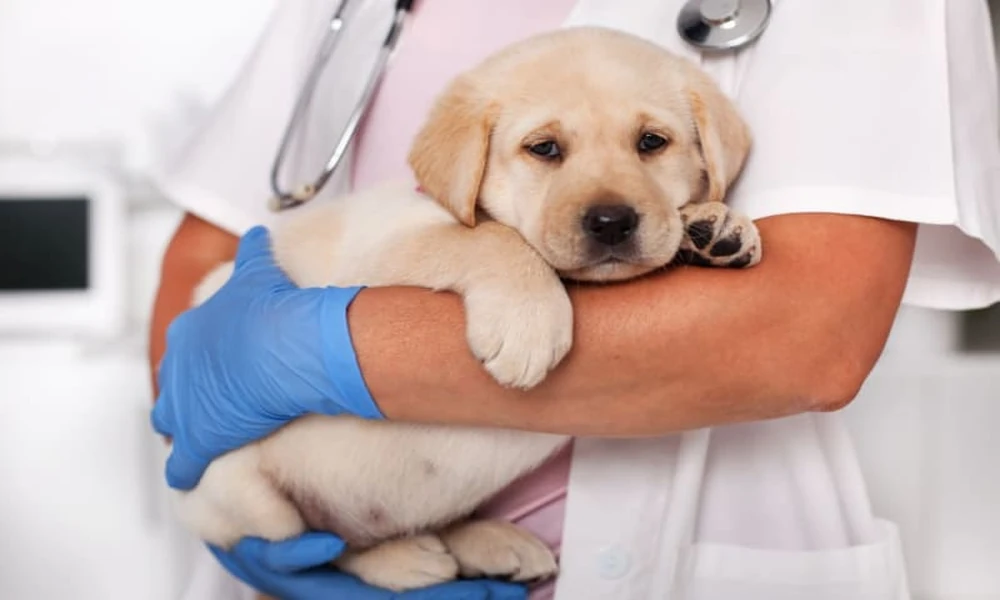
You brought home a puppy, expected chewed shoes and messy naps, and now you are hearing words like dehydration, white blood cell count, and isolation. That kind of turn can leave you numb. Parvo moves fast, puppies can crash in hours, and once they are admitted, a lot of owners are left wondering what is happening behind the treatment room doors and whether their puppy has a real chance. In moments like this, local veterinary care in Langley Township can make a meaningful difference.
How Animal Hospitals Care For Puppies Hospitalized With Parvovirus comes down to a few hard truths. There is no simple cure that kills the virus itself. Hospital teams support the puppy through the worst of the illness, protect them from secondary infection, control vomiting and diarrhea, replace lost fluids, and keep them alive long enough for the body to fight back. That care is intense, often around the clock, and it can make the difference between losing a puppy and bringing one home.
Parvovirus in puppies becomes dangerous because the body fails on several fronts at once
Parvo attacks rapidly dividing cells, especially in the intestines and bone marrow. That is why puppies with parvovirus often have severe vomiting, bloody diarrhea, weakness, fever or low body temperature, and profound dehydration. The gut lining gets damaged, bacteria can cross into the bloodstream, and the puppy’s immune defenses drop at the same time. Cornell explains the disease process clearly in its overview of canine parvovirus research.
This is why home care is often not enough once symptoms are serious. A puppy who cannot keep water down will keep losing fluid. A puppy with ongoing bloody diarrhea loses protein and electrolytes. A puppy whose white blood cells are falling may not be able to handle the bacterial invasion that follows intestinal damage. The problem is not just stomach upset. It is a whole body crisis.
Animal hospital treatment for parvo focuses on support, isolation, and constant monitoring
When a puppy is admitted for parvo, the hospital usually starts with triage. Staff check hydration, temperature, heart rate, blood sugar, pain, and signs of shock. Bloodwork helps the team see how severe the illness is and where the biggest risks are. Many puppies need an IV catheter right away because they are too sick to rely on oral fluids.
Fluid therapy is the backbone of parvo treatment in puppies. IV fluids replace what was lost through vomiting and diarrhea, improve circulation, support the kidneys, and help correct electrolyte imbalances. If blood sugar is low, dextrose may be added. If protein losses are severe, some puppies need plasma or other advanced support.
Vomiting control matters because a puppy cannot recover if every sip of water comes right back up. Anti nausea medications are commonly used, and pain control is often part of the plan because the damaged intestines can be very painful. Antibiotics are also common, not because they kill the virus, but because they help reduce the danger from bacteria escaping the injured gut.
Isolation is not optional. Parvo spreads easily through infected stool, contaminated surfaces, shoes, hands, crates, and shared equipment. Tufts notes how tough the virus is in the environment in its report on canine parvovirus. In the hospital, infected puppies are kept apart, staff use strict protective measures, and cleaning protocols are aggressive. That protects other patients and prevents reinfection of the same space.
Feeding is handled carefully. Years ago, food was often delayed longer. Many hospitals now try to restart nutrition sooner once vomiting is controlled, because the gut heals better when it gets support. If a puppy will not eat, the team may use assisted feeding methods depending on the case.
Hospital care for canine parvo is intense because the first days can change quickly
The hardest part for owners is the uncertainty. A puppy may look a little brighter after fluids, then decline again that night. Another may seem extremely sick on admission and improve steadily after 24 to 48 hours of treatment. That swing is common with hospital care for canine parvo. The medical team watches for shock, sepsis, low blood sugar, worsening dehydration, and ongoing blood loss.
Transmission is another layer of stress at home. If you have other dogs, especially puppies or unvaccinated dogs, the risk is real. Cornell’s guidance on parvovirus transmission and treatment covers how easily the virus can spread and why strict cleanup matters after discharge.
Home care and animal hospital care are not the same level of support
| Care Setting | What It Can Provide | Main Limits or Risks |
|---|---|---|
| Home monitoring only | Rest, isolation, basic observation, prescribed oral meds if the puppy can keep them down | Cannot replace severe fluid losses quickly, high risk if vomiting continues, hard to catch sudden decline |
| Outpatient veterinary care | Exam, testing, injectable meds, subcutaneous fluids in some cases, follow up checks | May be enough only for milder or early cases, limited support between visits |
| Inpatient animal hospital care | IV fluids, bloodwork, anti nausea medication, pain control, antibiotics, glucose support, isolation, frequent reassessment | Higher cost, emotionally hard because your puppy stays at the hospital |
| 24 hour critical care hospital | Continuous monitoring, rapid response to shock or sepsis, advanced transfusion or feeding support if needed | Highest cost, may require transfer depending on severity |
Three steps you can take right away if your puppy has parvo symptoms
Get seen fast. If your puppy has vomiting, diarrhea, bloody stool, profound tiredness, or stops drinking, treat it like an emergency. Hours matter with parvo.
Isolate your puppy from other dogs. Do not share bowls, crates, yards, or walking areas if you can avoid it. Clean up stool promptly and ask your veterinary team which disinfectants actually work against parvo.
Ask direct hospital questions. Ask what your puppy’s hydration status is, whether IV fluids are needed, what medications are being used, how nutrition will be handled, and what markers the team is watching over the next 24 hours. Clear answers help you make decisions when everything feels blurry.
Prompt animal hospital care gives puppies the best chance to recover
Parvo is brutal, but it is not hopeless. Many puppies survive with timely treatment, careful nursing, and strict infection control. If your puppy is showing signs of parvovirus, contact an animal hospital right away and get a veterinary team involved before dehydration and infection take over.
