

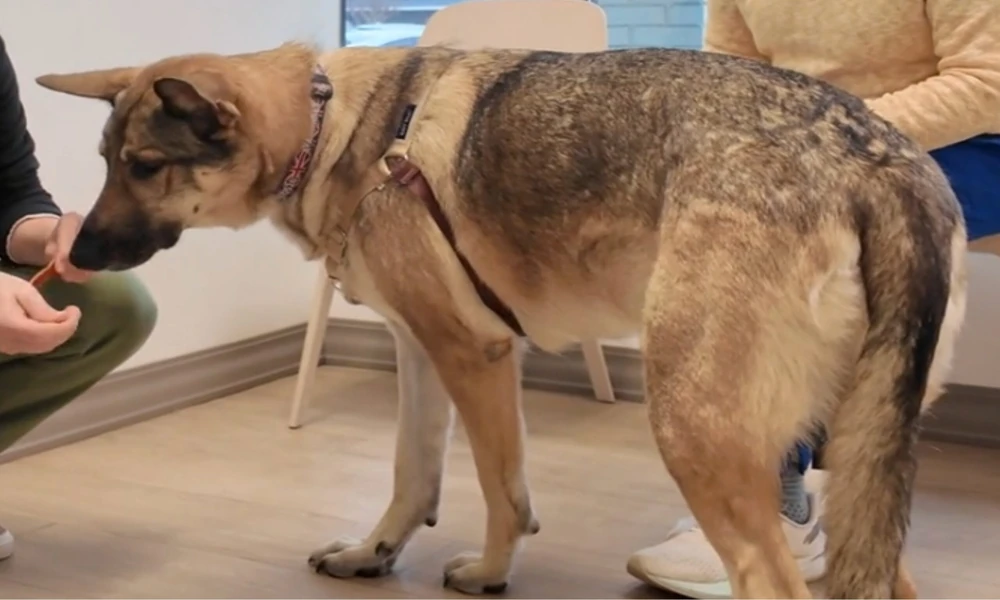
You might be reading this because your dog’s belly looks wrong, they will not settle, and something in you says this is not just gas. That feeling matters. Bloat in dogs, also called gastric dilatation and volvulus or GDV, can turn from scary to life threatening in a very short time. The stomach fills with gas, and in some dogs it also twists, cutting off blood flow and trapping the contents inside. This is an emergency, and if you need emergency veterinary services in Roanoke, Virginia, seek care right away.
The hard part is that it does not always look dramatic at first. A dog may pace, drool, retch without bringing anything up, seem restless, or stand with a tense, swollen abdomen. Some owners wait because they hope it will pass. That delay is where dogs lose precious time. If you think your dog may have bloat, treat it like an emergency and get to an animal hospital right away.
GDV in dogs can look subtle before it becomes severe
Many people expect collapse right away. Sometimes that happens, but often the first signs are easy to second guess. Your dog may keep trying to vomit and produce only foam, stretch out, whine, pant, or keep changing positions because they cannot get comfortable. Their belly may look tight or larger than usual. As pressure builds, blood flow drops, the stomach wall suffers damage, and shock can follow.
This is why emergency teams push the point so hard. A dog with a simple stomach upset may feel miserable, but a dog with canine bloat emergency can decline within hours. Large and deep chested breeds are at higher risk, including Great Danes, Standard Poodles, Weimaraners, German Shepherds, and Setters, but any dog can develop it. Age, stress, eating fast, and having a close relative with GDV can increase risk.
Cornell’s overview of gastric dilatation volvulus explains the basic process clearly. The key point is simple. The stomach distends with gas, and when it twists, the situation becomes far more dangerous.
Waiting to see if it passes can cost your dog the best chance of survival
You may worry about overreacting, the late night drive, or the bill. Those are real concerns. They still come after the first decision, which is getting your dog seen. GDV is not something to monitor at home with a bland diet, massage, or hope. If the stomach has twisted, only urgent veterinary care can relieve the pressure, stabilize shock, and correct the problem surgically when needed.
The cost of delay is not just medical. Owners often replay the timeline in their heads afterward. It started after dinner. He looked uncomfortable. He kept trying to throw up. We thought maybe he ate too fast. That pattern is painfully common. Fast action gives the veterinary team more room to stabilize your dog before organs and circulation take a harder hit.
The MSD Veterinary Manual on gastric dilation and volvulus in small animals notes that shock and tissue injury are central dangers. That is why treatment often includes IV fluids, pain relief, decompression of the stomach, imaging, bloodwork, heart monitoring, and surgery.
Bloat symptoms, immediate risks, and the right response
Some dogs have gastric dilation without a twist, and some have full GDV. You cannot sort that out at home by looking. The safe response is the same. Go now.
| What you notice | What it may mean | What to do |
|---|---|---|
| Retching with little or no vomit | Classic sign of bloat or GDV | Leave for an animal hospital immediately |
| Swollen or tight abdomen | Gas buildup, pressure, possible twist | Do not wait for it to go down on its own |
| Pacing, anxiety, repeated lying down and getting up | Pain and rising abdominal pressure | Call ahead while traveling to the hospital |
| Drooling, panting, pale gums, weakness | Shock may be developing | Emergency care without delay |
| Collapse | Critical stage | Seek emergency treatment at once |
VCA’s guide to bloat and gastric dilatation volvulus in dogs also points out a practical truth. Even when signs seem mild at first, progression can be fast. This is one of those situations where being cautious is the right call.
Prevention matters, but it never replaces emergency treatment
Owners often ask what they could have done differently. Prevention helps, especially for high risk dogs, but it does not replace recognizing an emergency. Feeding smaller meals, slowing down fast eaters, and talking with your veterinarian about preventive gastropexy for at risk breeds can lower risk. A gastropexy surgically attaches the stomach so it is less likely to twist later. It does not stop all stomach distention, but it can reduce the chance of the deadly volvulus part of GDV.
This is where plain animal hospital care matters. If your dog is high risk, ask your veterinarian whether preventive planning makes sense before there is a crisis. If your dog is showing signs now, skip the planning conversation and go in.
Three steps to take right now if you suspect dog stomach twisting
1. Leave immediately. Do not wait to see if your dog burps, passes gas, or settles down. Do not offer food, water, or home remedies. Time matters more than certainty.
2. Call while you are on the way. Tell the hospital you are coming with a possible GDV case. That gives the team time to prepare for triage, IV access, imaging, and stabilization the moment you arrive.
3. Know your dog’s risk going forward. If this turns out not to be GDV, that is still useful information. Ask whether your dog’s breed, chest shape, age, eating habits, or family history raises future risk, and ask whether preventive gastropexy should be discussed.
Fast action gives your dog the best chance
If your dog is restless, retching, drooling, and their abdomen looks swollen, trust what you are seeing. GDV in dogs is one of the clearest true emergencies in veterinary medicine, and early treatment can make a real difference. Get your dog to an animal hospital as quickly as you can. That decision is not overreacting. It is exactly what your dog needs.
