

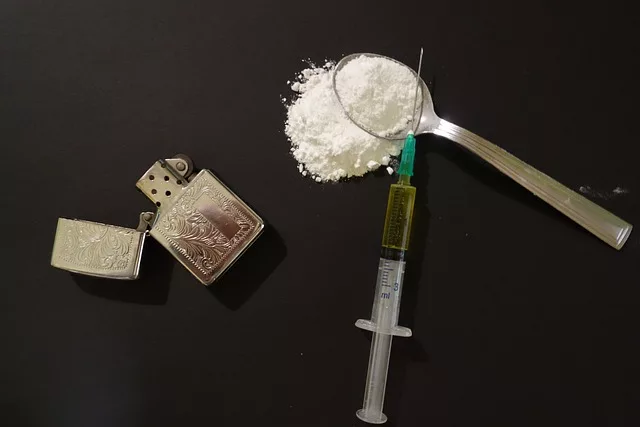
Cocaine addiction can grip a person’s life with powerful force — distorting decision‑making, affecting physical and mental health, and eroding relationships and self‑worth. Recognizing the addiction is the first step toward change; what follows is a journey of healing, self‑discovery, and reintegration. With appropriate, evidence‑based treatment and compassionate support, recovery is not only possible but sustainable.
The First Step: Detox and Stabilization
The journey often begins with detoxification — a medically supervised process to rid the body of cocaine and manage withdrawal safely. Withdrawal from cocaine can bring physical and psychological challenges: fatigue, depression, changes in sleep and appetite, and strong cravings.
Detox is crucial because abrupt cessation, without support, can be overwhelming and sometimes dangerous. In a controlled environment, trained professionals monitor the process, offer comfort, and help stabilize the individual so that the next phase of recovery can begin with a healthier foundation.
Healing the Mind: Psychotherapy and Behavioral Support
Once the body is stabilised, real healing centers on the mind. Addiction rarely exists in isolation — it’s often intertwined with stress, trauma, mental‑health struggles, or deeply embedded behavioral patterns. Addressing these root causes helps reshape thoughts, behaviors, and emotional reactions, laying the groundwork for long‑term recovery.
Therapeutic approaches, such as Cognitive Behavioral Therapy (CBT), Motivational Interviewing (MI), and Contingency Management (CM), are among the most effective in treating stimulant addiction like cocaine use. These methods help individuals identify triggers, challenge distorted thought patterns, and build healthier coping strategies.
Group therapy often complements individual therapy. Sharing experiences with peers who understand addiction can reduce feelings of isolation and shame, help rebuild social connections, and strengthen motivation. Many programs also include family counseling, offering support not just for the individual but for loved ones, helping repair relationships and create a supportive environment at home.
Beyond talk therapy, holistic practices — such as mindfulness, exercise, nutrition, and expressive therapies (art, music, movement) — may support emotional regulation, reduce stress, and help restore balance to mind and body.
Personalized Paths: Exploring cocaine treatment options and Long-Term Care
Because addiction is complex and personal, there is no one-size-fits-all path to recovery. That’s why a variety of cocaine treatment options exists — from intensive residential rehab to outpatient therapy, community‑based support, and aftercare plans. These options allow individuals to choose a path that aligns with their level of dependence, personal responsibilities, and long‑term goals.
Residential treatment offers structured, supportive environments away from triggers, often involving daily therapy, medical support, group sessions, and lifestyle-focused interventions. These programs may last several weeks or months, depending on the individual’s needs.
For those who cannot commit to full residential programs — due to work, family, or other obligations — outpatient or intensive outpatient programs (IOPs) offer flexibility. These allow individuals to continue daily life while receiving therapy sessions multiple times per week. This flexibility can make recovery accessible without requiring a complete life pause.
After the initial detox and therapy phases, long-term aftercare becomes vital. Sustained recovery often depends on continued support — through therapy, peer support groups, sober living environments, relapse-prevention planning, and rebuilding healthy routines. Long-term care increases the chances of maintaining sobriety, rebuilding trust, and regaining a stable, fulfilling life.
Recovery is more than stopping drug use — it’s restoring identity, relationships, and purpose. People gradually rebuild trust with loved ones, rekindle social connections, find healthier hobbies and activities, and redefine their lives without reliance on substances. With consistent effort, therapy, and support, many emerge stronger, more self-aware, and with renewed hope.
Cocaine dependence is a complex challenge — but with commitment, professional care, and a supportive environment, healing is possible. Through medically supervised detox, psychological therapy, community support, and a holistic, individualized approach, individuals can navigate the difficult journey from addiction toward recovery. Offering multiple cocaine treatment options ensures that each person finds a path suited to their unique needs — ultimately helping rebuild health, dignity, and a fulfilling life.
