

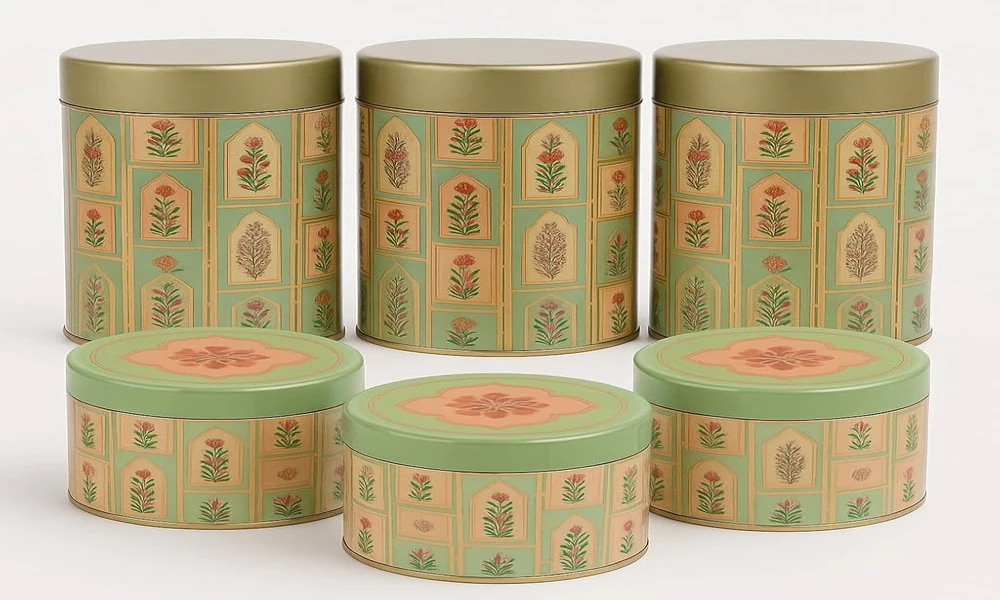
Choosing custom metal containers may seem straightforward at first. Pick a design, add your branding, and place the order. In reality, the right packaging does much more. It protects products, enhances brand image, and shapes customer perception. Factors such as material selection, product protection, customization options, and sustainability all play an important role in finding a metal packaging solution that fits your business goals.
One of the first decisions businesses face when selecting custom metal containers is evaluating tin vs aluminum. This topic is discussed elaborately in the AluminumPackaging.com Blog, which notes that aluminium is lightweight, corrosion-resistant, easy to customize, and widely recyclable. Tin-plated containers also offer strong protective qualities, especially for certain storage applications. Understanding the strengths of each material helps companies match packaging performance to their product requirements.
1. Select the Right Metal Material
Not all metal containers are created equal. Different materials serve different purposes.
Consider:
- Aluminium for lightweight, corrosion-resistant packaging
- Tin-plated steel for strong protective barriers
- Stainless steel for demanding industrial applications
- Specialty metals for unique product requirements
The contents of the package often determine the best material choice. Food, cosmetics, chemicals, and personal care products may all have different storage needs.
2. Think Carefully About Size and Shape
A custom container should fit the product comfortably without wasting space.
Ask yourself:
- Will customers need a travel-sized option?
- Does the product require bulk packaging?
- Is stackability important for shipping and storage?
- Would a unique shape help the product stand out?
Sometimes a small design adjustment can make packaging far more practical. We have seen brands focus so much on appearance that they forget about everyday usability. Customers notice that quickly.
3. Ensure Proper Product Protection
Packaging should do more than look attractive.
Metal containers can provide:
- Protection from light exposure
- Resistance to moisture and oxygen
- Improved durability during transportation
- Longer shelf life for certain products
Some products may also require specialized interior coatings or liners to prevent interactions between the product and the metal surface. This step is easy to overlook, yet it is often critical for product quality.
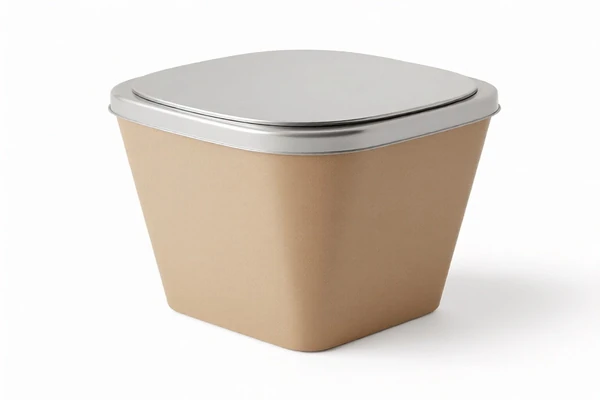
4. Evaluate Branding and Customization Options
Custom packaging is a marketing tool as much as a storage solution.
Popular customization features include:
- Embossed logos
- Custom printing
- Unique finishes
- Specialized colours
- Premium decorative details
A well-designed metal container can instantly communicate quality. Customers often form opinions before they ever try the product inside.
5. Consider Sustainability Goals
Many consumers actively look for environmentally responsible packaging.
Metal offers several advantages:
- High recyclability
- Long service life
- Reusable packaging potential
- Reduced waste compared to single-use alternatives
Aluminium in particular is valued because it can be recycled repeatedly without losing its core properties. Sustainability is not just a trend anymore. For many brands, it is becoming part of the purchasing decision.
Final Thoughts
Choosing custom metal containers involves balancing protection, functionality, appearance, and sustainability. By carefully evaluating material type, size, protective features, branding opportunities, and environmental impact, businesses can create packaging that not only safeguards products but also strengthens their brand presence. A little extra planning upfront can save a surprising amount of time, money, and frustration later on.
